Grease Trap Cleaning in Orlando for Restaurants and Commercial Kitchens
We handle grease trap cleaning in Orlando for restaurants, cafeterias, hotels and other busy kitchens. We pump the whole trap, scrape it clean and leave a signed state manifest for your records. Our routes follow the local inspection schedules, so you stay ahead of the county and the city. We can also work before opening or after closing.
Here is what every visit covers.
What Does Each Service Visit Include?
Our grease trap services cover the full job, not just a quick suction. On each visit, the crew:
- Pumps out the entire trap or interceptor, liquid and solids
- Scrapes grease off the walls, lids and baffles
- Checks the inlet and outlet tees for cracks or clogs
- Measures how much grease and food solids built up since the last visit
- Hauls the waste to a permitted disposal facility
- Leaves a signed service manifest and a short condition report
You also get a note if the trap needs repair or a shorter schedule. That way you can fix problems before an inspector finds them. Orlando grease trap services work best on a set route, so we book your next visit before we leave.
Grease Trap vs Grease Interceptor: What Is the Difference?
A trap is a small box, usually under or near a sink. It catches grease from one or two fixtures and needs frequent cleaning. A grease interceptor is a large tank, often buried outside, that serves the whole kitchen. Most full service restaurants in the Orlando area use an outdoor interceptor. We service both.
Schedules come next, and they are set by local rules.
How Often Should Orlando Kitchens Schedule Service?
At least every 90 days in Orange County, and often more. County rules cover traps, interceptors and oil and water separators. Each one must be fully pumped and cleaned at least once every 90 days. Traps must also be checked every 7 days, with excess grease and solids taken out.
Many kitchens need service far sooner than 90 days. A common industry rule is to pump before grease and solids fill 25% of the trap. A busy fryer kitchen may hit that mark in a month. A small cafe may go the full quarter. We track your fill level on every visit and adjust your schedule to match.
Under sink traps fill fastest. Many kitchens have staff clean those weekly and leave the large interceptor to us.
What Rules Apply to Orlando Restaurants?
It depends on who provides your sewer. Inside city limits, the City of Orlando runs a Grease Management Program. Its job is to protect more than 800 miles of public sewer lines. Food service businesses should have a trap in place and register with the program. Car washes, mechanic shops and other places that send petroleum oils into the sewer must register too. Questions go to the city's environmental supervisor at 407-246-3086.
Outside the city, Orange County Utilities runs an Oil and Grease Prevention Program. It covers restaurants, food and drink sellers, hotels, nursing homes, car washes, auto repair shops and private pump stations. Each site needs a county approved pretreatment device. New commercial customers also fill out a facility survey when sewer service starts. The county's environmental compliance line is 407-254-7701.
Can a Kitchen Use an Indoor Unit Instead?
In Orange County, only with a variance. An interior trap is allowed when the kitchen does not grill, fry or cook oily foods. Physical limits must also block an outdoor interceptor. The request needs engineer sizing calculations and the trap's make and model.
Other utilities in Seminole, Osceola and Lake set their own schedules. We check your local rules when we set up service.
Every visit also creates a paper trail that state law requires.
What Is a Grease Waste Manifest, and Why Does It Matter?
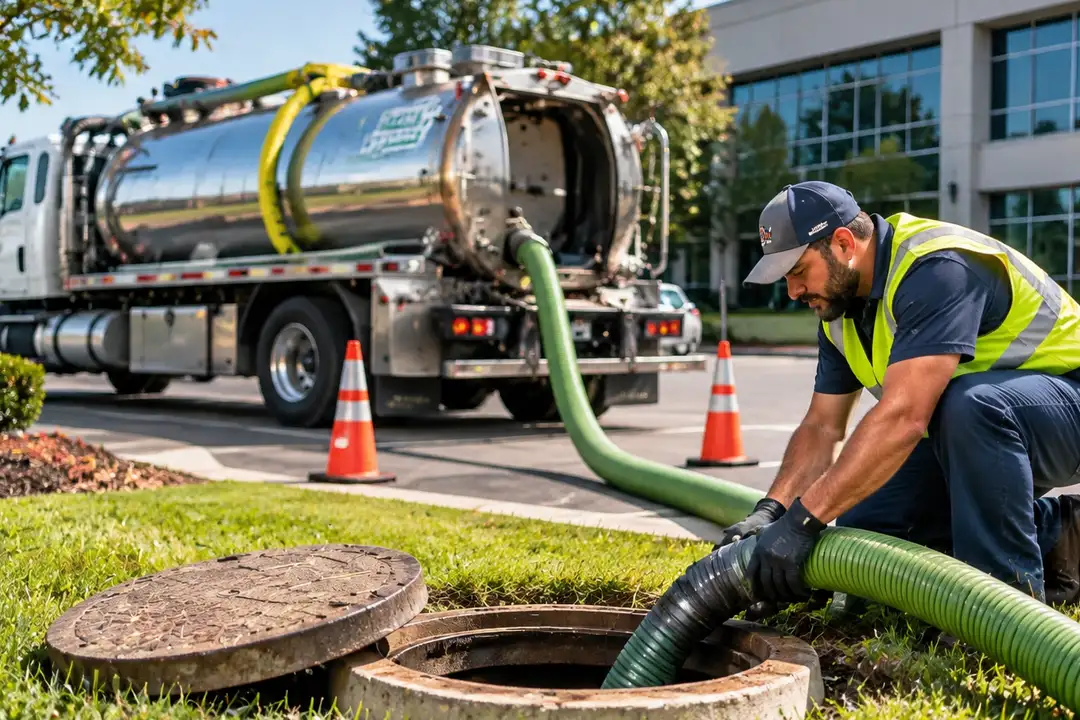
A grease waste manifest is your proof of service. It shows the trap was cleaned and the waste went to a legal site. Florida Statute 403.0741 requires one for every pump out. Inspectors ask to see them.
Here is how the law works:
- The hauler and the restaurant sign the manifest at the time of service. After hours, the hauler signs and leaves a copy on site.
- The disposal facility signs when the waste is dropped off.
- Within 30 days, the hauler sends copies to the restaurant, the county and the city.
- The restaurant and the hauler each keep a signed copy on site for 1 year.
The law also protects you from bad haulers. A hauler may not pour grease or gray water back into your trap. Haulers who skip manifests can be fined up to $100 per violation. Failing to clean a trap can bring a fine of up to $250. Illegal dumping starts at $2,500 plus a license suspension.
Can Kitchen Staff Do the Cleaning Themselves?
A small under sink trap, yes. Kitchen staff can scoop out grease and scrape the baffles. The waste then goes in a sealed container for a licensed pickup. Follow your utility's rules on how often.
An outdoor interceptor, no. Pumping one takes a vacuum truck. The waste must also go to a permitted disposal facility with a signed manifest. That is why Florida requires a licensed grease waste hauler for this work.
Need Restaurant Grease Trap Cleaning Services Near You?
We handle restaurant grease trap cleaning services near you for:
- Full service and fast food restaurants
- Hotel and resort kitchens
- School and hospital cafeterias
- Nursing homes and assisted living kitchens
- Bars, breweries and coffee shops
- Shared commercial and ghost kitchens
How Can Kitchen Staff Cut Down on Grease Between Visits?
Small habits stretch the time between pump outs. Scrape plates into the trash before they hit the dish sink. Wipe fryer baskets and pans with paper towels first. Store used fryer oil in a sealed bin for a recycling pickup, never down the drain. Use sink strainers on every basin. Skip enzymes or chemicals that claim to dissolve grease, since they often push it further down the line.
We schedule around your busiest hours. Early morning and late night visits keep odors and trucks away from customers. For restaurant groups with several locations, we can line up every site on one route and one invoice.
What Happens When Cleaning Gets Skipped?
Grease builds up, cools and hardens. Then it slips past the outlet and into the sewer line or your septic tank. That leads to a chain of problems:
- Slow sinks and floor drains in the kitchen
- Strong odors in the dining room or parking lot
- Sewage backups that can force a temporary closing
- Failed inspections and fines from the utility
- Blocked city sewer lines that overflow into streets and lakes
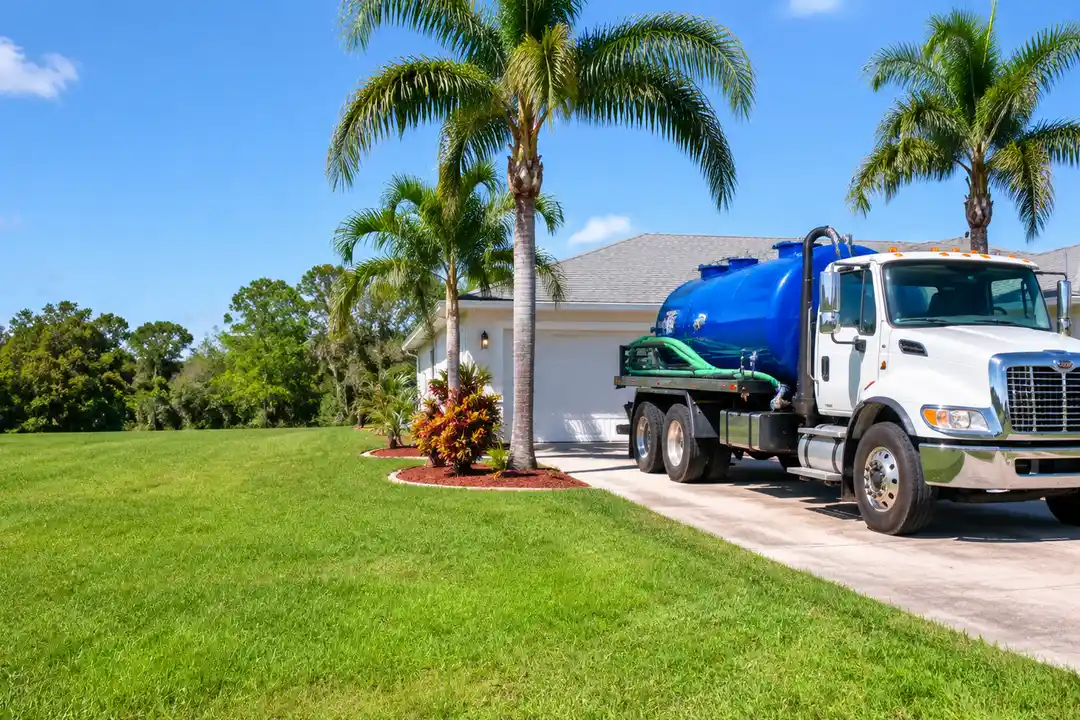
For restaurants on septic, grease is even worse. It coats the tank and seals the drain field, which can mean a costly replacement. If your kitchen backs up after hours, call our emergency line.
How Much Does Grease Trap Cleaning Cost in Orlando?
Price depends on the trap size, how often you book and how full it is. A small under sink trap costs less to service than a 1,500 gallon outdoor interceptor. Hard to reach lids, long hose runs and after hours visits add time. Contract schedules usually cost less per visit than one time calls.
We quote a written price for each site before the first visit.
Where Do We Offer Grease Cleanup in Central Florida?
We provide grease cleanup in Central Florida across Orange, Seminole, Osceola and Lake County. That includes Orlando's restaurant corridors and the busy kitchens on Plant Street in Winter Garden. It also covers hotels near the tourist areas and school districts across all four counties.
Common Questions From Kitchen Owners
Still have a question? Call and talk to a real person.
Call (321) 872-9877 →How Often Do Restaurant Grease Traps Need to Be Cleaned?
In Orange County, at least every 90 days, with weekly checks. Busy kitchens often need monthly service. Pump before grease and solids fill about a quarter of the trap.
Who Gets a Copy of My Manifest?
You do, plus the county and the city where your business sits. The hauler sends copies within 30 days of disposal. Keep your signed copy on site for at least 1 year.
Do I Need to Register My Restaurant in Orlando?
Inside Orlando city limits, food businesses should register with the city’s Grease Management Program. In unincorporated Orange County, the county’s Oil and Grease Prevention Program applies instead.
Can I Install a Trap Inside My Kitchen?
In Orange County, only with a variance. Your kitchen must not grill or fry, and an outdoor interceptor must not fit. An engineer must size the trap.
Can You Service My Kitchen After Closing Time?
Yes. Many of our restaurant customers book early morning or late night visits. We sign the manifest and leave a copy on site if no one is there.
Book Grease Trap Services in Orlando
Call (321) 872-9877 to set up grease trap services for your kitchen. We pump the whole trap, sign the manifest and keep you on schedule for inspections.